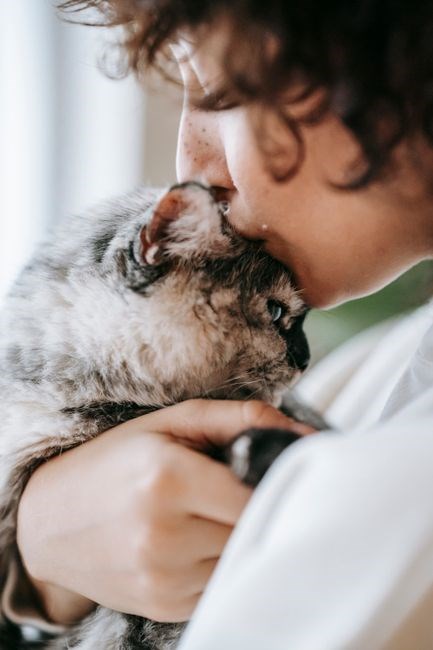
Overview of “If Animals Kissed Good Night”
Discover how this charming bedtime book invites readers to imagine gentle‚ affectionate good‑night kisses exchanged among diverse animals‚ offering soothing narratives and whimsical illustrations that encourage peaceful sleep for children worldwide in soft‚ silky night tunes and.
Synopsis and Plot Summary
Each page of the book follows a gentle‚ rhythmic journey through a forest‚ a meadow‚ a barn‚ and a seaside‚ where a variety of animals prepare for sleep. The story begins with a sleepy owl perched on a branch‚ humming a lullaby that invites the nearby deer‚ rabbit‚ fox‚ and bear to gather. As the sun sets‚ the animals exchange soft kisses on cheeks‚ paws‚ and noses‚ each gesture reflecting their unique personalities and the quiet comfort of nighttime. The narrative weaves playful rhymes with soothing descriptions‚ guiding young readers toward calmness. The owl’s wise advice about breathing slowly encourages listeners to imagine a gentle breeze. The deer’s gentle nuzzle‚ the rabbit’s quick hop‚ and the bear’s warm hug all illustrate the universal language of affection. This simple‚ repetitive structure not only entertains but also teaches children about empathy‚ kindness‚ and the comforting rituals that help them transition into restful sleep. Readers can follow along with the rhythmic cadence‚ feeling each animal’s breath and the hush that settles over the forest‚ reinforcing the idea that love and care are the best lullabies before dreams begin.
Target Audience and Reading Level
Designed for children aged three to six‚ this bedtime classic offers simple‚ repetitive language that supports early literacy development. The rhythmic rhymes and predictable structure help young readers anticipate the next line‚ boosting confidence and encouraging independent reading. Parents and educators can use the book as a gentle transition from playtime to sleep‚ reinforcing routines that promote calmness. The illustrations‚ rich in color and detail‚ capture the imagination of preschoolers while providing visual cues that aid comprehension. The gentle‚ affectionate themes resonate with families who value kindness and empathy‚ making the story a meaningful addition to bedtime rituals. For older children‚ the rhythmic pattern invites recitation‚ fostering phonemic awareness and memory skills. The book’s universal appeal extends to diverse cultural backgrounds‚ as the animals’ gestures symbolize universal gestures of love‚ regardless of language. Overall‚ the text’s simplicity‚ combined with engaging visuals‚ ensures that the story remains accessible and enjoyable for a broad audience‚ from first‑time readers to those who enjoy a soothing narrative before sleep. Its gentle cadence also supports language acquisition‚ making it a favorite for bedtime storytelling sessions in both homes and classrooms.
Publication History and Editions
First published by Farrar‚ Straus and Giroux in 2001‚ the original hardcover edition introduced readers to the tender world of animal bedtime rituals. A sturdy board book version followed in 2003‚ designed specifically for toddler hands and repeated readings. Scholastic later acquired rights for school market distribution‚ releasing a paperback edition that included bonus activity pages for classroom use. In 2015‚ a tenth‑anniversary collector’s edition featured embossed cover art and a personal note from author Ann Whitford Paul reflecting on the creative process. International translations have appeared in Spanish‚ French‚ German‚ and Mandarin‚ broadening the global reach of the franchise. Digital editions emerged in 2010‚ optimized for e‑ink displays and tablet apps‚ preserving David Walker’s watercolor palette. Recent printings include a bilingual English‑Spanish format and a gift set paired with a plush giraffe toy. Each edition maintains the core narrative while adapting format and trim size to suit evolving reader preferences and retail demands across libraries‚ bookstores‚ and online platforms worldwide. The enduring popularity has ensured continuous availability‚ with publishers frequently reprinting stock to meet consistent seasonal demand from gift buyers and educational institutions alike.

Author and Illustrator Background
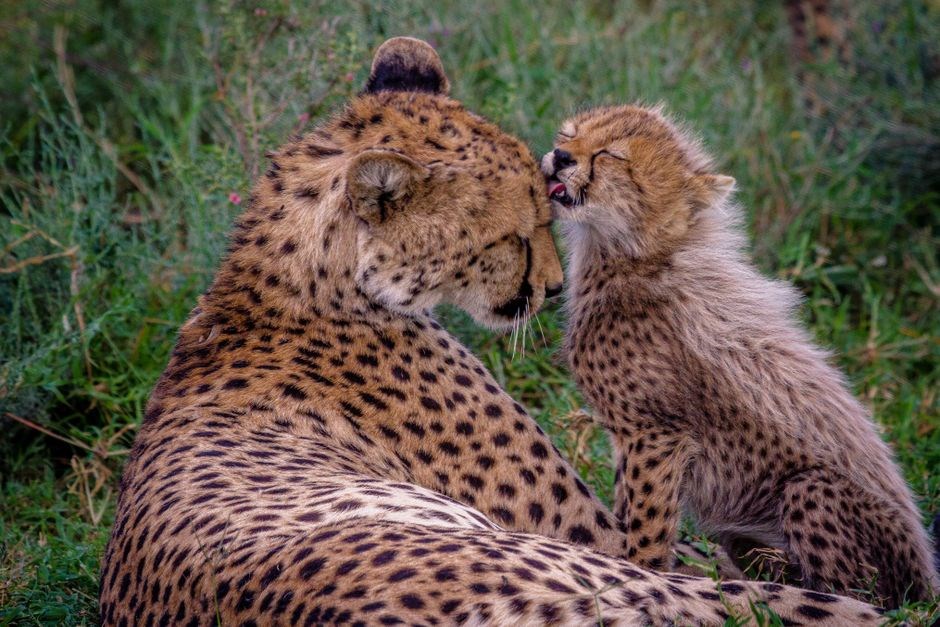
Ann Whitford Paul crafts lyrical children’s stories while David Walker illustrates gentle scenes; together they create heartwarming bedtime experiences beloved by families seeking soothing narratives and tender visuals for nightly reading rituals everywhere.
Ann Whitford Paul’s Literary Career

Ann Whitford Paul graduated from the University of Wisconsin and later earned a master’s degree in social work‚ yet her passion for rhythm and language steered her toward writing for children. She has authored over twenty picture books‚ including the popular “If Animals” series‚ “All by Herself‚” and “Hello Toes! Hello Feet!” Her work often centers on family dynamics‚ bedtime routines‚ and the musicality of language‚ making her stories ideal for read-aloud sessions. Paul’s background in social work informs her sensitive portrayal of childhood emotions‚ allowing young readers to feel seen and understood. She frequently visits schools and libraries‚ teaching students how to find poetry in everyday moments. Critics praise her ability to blend simple vocabulary with sophisticated cadence‚ creating texts that support early literacy development. Her dedication to craft extends beyond publishing; she mentors emerging writers through workshops and conferences. Paul resides in California‚ where she continues to craft gentle narratives that celebrate the quiet magic of growing up‚ ensuring her legacy endures in countless bedtime rituals. Her books consistently receive starred reviews‚ delighting parents and educators who value rhythmic storytelling and emotional resonance.
David Walker’s Artistic Contributions
David Walker‚ an illustrator‚ brings the nocturnal world of ‘If Animals Kissed Good Night’ to life with a delicate balance of realism and whimsy. His background in art and design informs each page‚ where watercolor washes blend seamlessly with ink outlines‚ creating a glow that mirrors the calm of bedtime. Walker’s careful study of animal anatomy ensures each creature is recognizable‚ yet his anthropomorphic touches—such as a sleepy eyelid or a paw‑press—convey emotion without overwhelming the narrative. The composition of each spread guides the eye toward the central kiss‚ using diagonal lines and layered foliage to suggest depth while maintaining a soothing rhythm. A restrained palette of midnight blues‚ muted purples‚ and warm amber highlights evokes twilight‚ allowing the characters to stand out against a tranquil backdrop. Walker also incorporates details—glimmering stars‚ rustling leaves‚ and faint moonbeams—that invite viewing and discovery. His collaborative process with author Ann Whitford Paul involved matching lyrical cadence to visual pacing‚ ensuring that every line of verse is echoed by a complementary illustration. The result is an immersive experience that comforts young readers and reinforces the book’s theme of affection.
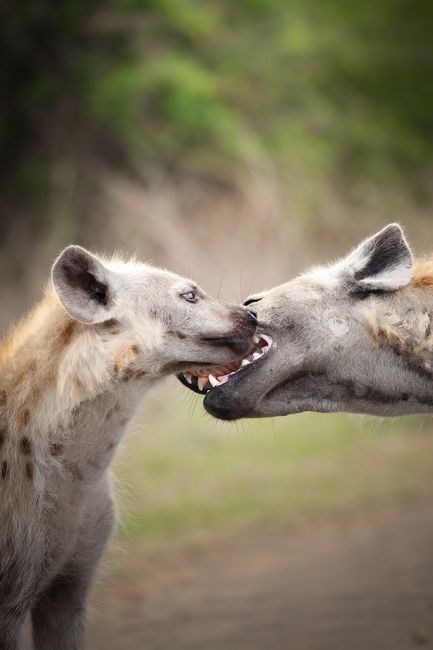
Themes and Narrative Structure
Exploring gentle affection‚ the narrative weaves bedtime rituals across species‚ using rhythmic rhyme to guide children toward calm. Themes of love‚ unity‚ and peaceful rest intertwine‚ offering universal comfort while celebrating diverse animal friendships in every night.

Bedtime Rituals Across Species
The book presents a delightful parade of creatures engaging in species-specific goodnight gestures. A giraffe calf stretches its long neck down to receive a tender peck from its mother‚ while a tiny mouse pup scampers up for a whisker-light touch. Sloths hang upside down‚ sharing slow‚ sleepy embraces that last for minutes. Kangaroo joeys retreat into pouches for a final nuzzle before drifting off. Each vignette highlights unique anatomy and habitat‚ turning biology into poetry. The narrative moves seamlessly from jungle canopies to arctic tundras‚ showing polar bear cubs pressing cold noses together and parrots clicking beaks softly in moonlit trees. This variety teaches young readers that affection transcends shape and size. The rhythmic pacing mimics a slowing heartbeat‚ guiding listeners toward slumber. Parents appreciate the educational layer hidden beneath the sweetness‚ as children absorb animal names and behaviors effortlessly. Ultimately‚ the ritualistic repetition creates a comforting pattern‚ signaling that the day is done and the world is safe‚ warm‚ and ready for dreams. The gentle illustrations amplify the quiet mood‚ inviting tired eyes to close while imaginations wander through starlit forests peacefully tonight deeply.
Expression of Love and Affection
Illustrations complement the narrative by showing animals in postures echoing affection. A mother bear cradles her cub‚ while penguins share a peck on the beak‚ symbolizing unity in harsh climates. The book also depicts subtle acts‚ such as a fox brushing its tail against a friend’s ear‚ illustrating that love can be grand and intimate. By showcasing diverse expressions‚ the story encourages young readers to recognize and celebrate affection in everyday encounters‚ whether between siblings‚ friends‚ or strangers. Ultimately‚ it reminds us that love’s language is universal‚ written in gestures shared across the animal kingdom.

Language Play and Rhyme Scheme
Each page of the book dances with rhythmic cadence‚ inviting children to anticipate the next musical beat. The author employs a consistent AABB pattern‚ pairing lines that mirror each other in sound while describing nocturnal rituals. Alliteration appears in phrases such as “soft slumbering seals” and “gentle giraffes‚” creating a playful texture that reinforces the soothing tone. Internal rhyme further enriches the verses; for example‚ “bunnies tuck in‚ humming sweetly‚ dreaming deeply” weaves consonance that rolls off the tongue. The syllabic count hovers around eight to ten per line‚ establishing a gentle pulse that mimics a heartbeat‚ perfect for bedtime. Repetition of key words like “kiss‚” “night‚” and “sleep” builds familiarity‚ allowing young readers to join in the chant. Occasionally‚ the poet introduces a subtle twist‚ breaking the rhyme to highlight a surprise‚ such as a nocturnal owl hooting a different note‚ which adds intrigue without disrupting the overall lullaby feel. This careful balance of predictable rhyme and occasional deviation keeps the language lively while maintaining the calming atmosphere essential for a good night’s rest. The melodic cadence gently guides sleepy minds toward peaceful dreams.

Visual Style and Illustrations
David Walker’s soft watercolors create dreamy nighttime scenes‚ blending gentle hues with expressive animal faces‚ enhancing the soothing bedtime atmosphere through tender visual storytelling and delicate details perfectly capturing affectionate moments across species beautifully for young readers.
Color Palette and Mood Setting
The illustrations employ a masterful selection of muted‚ twilight tones that immediately signal the transition from day to night‚ establishing a tranquil atmosphere essential for a bedtime story. Dominant shades of dusky lavender‚ soft indigo‚ and warm‚ buttery yellows mimic the gentle glow of moonlight filtering through nursery windows‚ while subtle accents of sage green and dusty rose provide visual interest without overstimulation. This restrained palette avoids harsh contrasts‚ instead favoring harmonious gradients that soothe the eye and slow the heart rate‚ effectively preparing young readers for sleep. Shadows are rendered not as frightening voids but as comforting‚ velvety textures that wrap the animal families in security. The strategic use of negative space allows the compositions to breathe‚ preventing visual clutter and focusing attention on the tender interactions. Warm highlights on fur and feathers suggest the residual heat of a sunny day‚ adding a tactile sense of coziness. Overall‚ the color strategy functions as a visual lullaby‚ synchronizing perfectly with the rhythmic text to create an immersive‚ calming sensory experience that defines the book’s enduring appeal for nightly rituals.
Character Design and Anthropomorphism
In this bedtime classic‚ each animal is rendered with a blend of realistic anatomy and playful human traits‚ creating a bridge between the familiar world of children and the imaginative realm of storytelling. The illustrator assigns expressive eyes‚ soft smiles‚ and subtle gestures that mirror human affection‚ allowing readers to project their own emotions onto the characters. For instance‚ the gentle bear’s paw is depicted with a delicate curl‚ suggesting a tender kiss‚ while the sleek cat’s whiskers twitch in anticipation of a good‑night cuddle. The design choices emphasize proportionally larger heads and rounded features‚ a common technique in children’s illustration that enhances cuteness and approachability. By incorporating anthropomorphic elements—such as the rabbit’s tiny‚ hand‑like paws and the owl’s upright posture— the artwork invites young readers to interpret animal interactions as symbolic of family bonds. This thoughtful anthropomorphism not only heightens relatability but also subtly encourages empathy‚ as children learn to recognize and respect the emotional lives of other species. The result is a harmonious visual narrative that supports the book’s soothing‚ inclusive message. Such artistic choices reinforce the gentle‚ communal spirit that defines the book’s charm.

Accessing the PDF Version
Explore legal avenues to download the PDF‚ ensuring copyright compliance. Official retailers‚ libraries‚ or publisher sites provide secure‚ high‑quality copies. Always verify file integrity before opening‚ and consider using PDF readers that support annotations for enhanced learning.

Legal Sources for Digital Download
Finding a legitimate PDF of ‘If Animals Kissed Good Night’ begins with reputable platforms that respect authors’ rights. Major e‑book retailers such as Amazon Kindle‚ Barnes & Noble Nook‚ Apple Books‚ and Kobo sell authorized digital editions that can be downloaded directly to compatible devices. These services often provide options for single‑purchase downloads or subscription access‚ ensuring creators receive appropriate royalties. Public libraries also offer legal borrowing through services like OverDrive‚ Libby‚ or Hoopla; patrons can check out the e‑book using a library card and read it on smartphones‚ tablets‚ or e‑readers without any cost. Some educational institutions subscribe to digital collections‚ granting students and faculty secure access via campus portals. Additionally‚ the publisher’s official website may host a direct purchase link‚ sometimes accompanied by a complimentary sample chapter to preview the content before buying. When searching‚ avoid unfamiliar websites that promise free files without clear licensing‚ as these frequently distribute pirated copies that violate copyright law. By choosing recognized vendors or library platforms‚ readers guarantee a high‑quality PDF‚ support the author and illustrator‚ and enjoy peace of mind knowing the download complies with legal standards. They also provide easy navigation tools.
Tips for Reading on Various Devices
When enjoying the PDF of “If Animals Kissed Good Night‚” choosing the right device and settings can enhance the experience. On a tablet‚ use a high‑resolution screen and enable night mode to reduce blue light‚ making the soft illustrations easier on the eyes. For e‑readers with e‑ink technology‚ adjust the brightness slider to a warm tone; many models allow you to set a custom background color that mimics a night sky. On smartphones‚ pinch‑to‑zoom preserves image detail‚ and using the built‑in PDF viewer keeps the layout intact. Desktop users benefit from a larger view; opening the file in a browser or dedicated PDF reader lets you scroll smoothly and bookmark favorite pages. If you prefer a printed feel‚ many apps offer a “print preview” that formats the book for paper‚ ensuring the original line art remains crisp. Finally‚ always keep the PDF updated from the source to avoid corrupted files‚ and consider using a cloud sync feature so you can switch devices without losing your place. These simple adjustments help maintain the book’s charm across any screen size. Enjoy the gentle bedtime stories anytime‚ anywhere.